Purisaki Berberine Patches Review 2026: An Honest, Cited Breakdown
Last updated July 9, 2026
Quick verdict
Purisaki is a transdermal berberine patch aimed at people who want a non-prescription, no-injection metabolic support option. Berberine itself has reasonably consistent (if limited-quality) evidence for improving blood sugar and lipids, and a small effect on weight of roughly a kilogram in trials. The transdermal delivery approach has preliminary pharmacokinetic support for better absorption than oral berberine, but there are no published human trials showing that a berberine patch produces weight loss. It's a reasonable option to consider with realistic expectations — not a substitute for a prescription GLP-1 medication.
What is Purisaki, and who is it for?
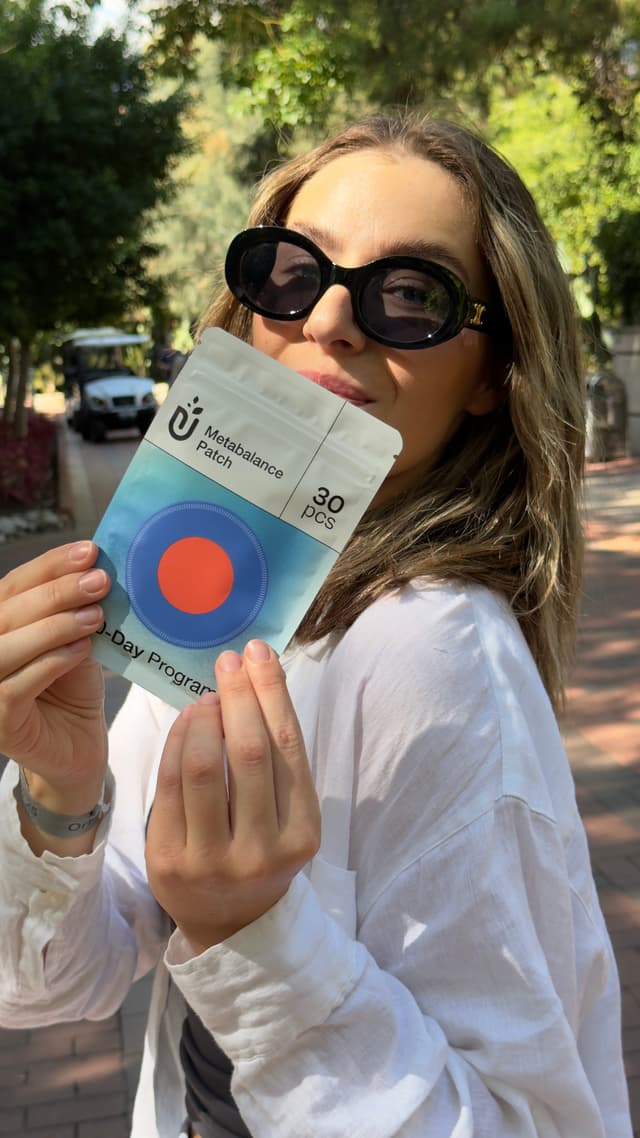
Purisaki Berberine Patches are a transdermal supplement: an adhesive patch worn on the skin that's designed to deliver berberine, a plant compound studied mainly for its effects on blood sugar and cholesterol. The pitch is straightforward — get the potential benefits of berberine without swallowing large capsules, and without the injections or prescription required for GLP-1 medications like Ozempic or Wegovy.
That framing speaks to three kinds of people, and it's worth being honest about which of them the product actually suits. If you've found oral berberine hard on your stomach, a patch that bypasses the gut is a reasonable thing to try. If you specifically want a no-injection, no-prescription option for general metabolic support, it fits. But if you're hoping for the kind of weight loss people see on prescription GLP-1 drugs, this is the wrong tool — and we'll show you why with the actual numbers rather than asking you to take our word for it.
Moderate evidence
Berberine has reasonably consistent evidence for improving fasting glucose, triglycerides, and LDL cholesterol, though most trials are small and the research base would benefit from larger, higher-quality studies.
How transdermal patch delivery actually works
This is the most important — and most misunderstood — part of any berberine patch, so it's worth slowing down.
Swallowed berberine has a real problem: its oral bioavailability is under 1%. One pharmacokinetic study measured it at roughly 0.37%, because berberine is poorly absorbed in the intestine and a cellular pump called P-glycoprotein actively pushes much of it back out. That's why oral doses are so large (typically 1,000–1,500 mg per day) and why stomach upset is such a common complaint.
A transdermal patch aims to sidestep that. Absorbing a compound through the skin bypasses the "first-pass" metabolism in the liver that destroys much of an oral dose before it reaches the bloodstream. Is there any evidence this works for berberine specifically? Yes — but with important limits. A peer-reviewed pharmacokinetic study found that transdermal berberine reached about 3.6 times the blood levels of oral berberine, and a transdermal form of a berberine precursor (dihydroberberine) reached roughly 7 times oral levels.
Here's the honest caveat that most product pages leave out: that study was done in rats, and it measured blood levels — not weight loss or any health outcome. Higher absorption than a supplement with under-1% bioavailability is also a low bar to clear. And we could not find any published human trial showing that a berberine patch produces weight loss.
Preliminary evidence
The transdermal-delivery concept has genuine, if preliminary, pharmacokinetic support (Buchanan et al., 2018, in rats). There is currently no human outcome data showing a berberine patch causes weight loss. Treat any such claim with caution.
So the fair way to hold this: the delivery method is a plausible, evidence-supported idea for improving how much berberine you actually absorb — not a proven route to a specific result on the scale.
Ingredients breakdown
Berberine patch products often pair berberine with a couple of supporting metabolic ingredients. Here's what each one is and what the evidence base looks like, so you can judge the formula rather than the marketing.
Berberine (the primary active). This is the compound with the most research behind it. In a 2025 meta-analysis of 12 randomized controlled trials, berberine significantly reduced fasting glucose, triglycerides, LDL, and total cholesterol compared with placebo. Its effect on weight was real but small — around 0.88 kg, or a BMI reduction of roughly 0.48 points, across a 2026 meta-analysis of 23 trials.
Fucoxanthin (from brown seaweed). Studied for effects on fat metabolism, mostly in animal models and a smaller number of human trials. The human evidence is thinner and less consistent than berberine's — worth knowing it's present, but not something to rely on for a specific outcome.
Green tea extract (EGCG / catechins). Has modest human evidence for small effects on metabolism and fat oxidation, often most noticeable alongside caffeine. Again: a supporting role, modest effect sizes.
Weak evidence
Of the three, berberine has by far the strongest evidence. Fucoxanthin and green tea extract play supporting roles with weaker or more modest human data. A stronger ingredient list doesn't overcome the core open question — whether the patch delivers a meaningful dose of any of them in humans.
A note on safety before you decide
Berberine is generally well tolerated, but it isn't for everyone. It should be avoided in pregnancy and breastfeeding — it can interfere with how a newborn processes bilirubin, which carries a risk of serious harm — and it can interact with a number of common medications by affecting liver enzymes (CYP2D6, CYP2C9, CYP3A4) and by adding to the effects of blood-sugar- and blood-pressure-lowering drugs. If you take prescription medication or have a health condition, talk to your doctor or pharmacist before trying any berberine product, patch or otherwise.
What the evidence actually shows
| Claim | Evidence | Source |
|---|---|---|
| Berberine significantly reduces fasting glucose, triglycerides, and LDL vs placebo. | moderate | Liu D et al. (2025) meta-analysis, 12 RCTs |
| Berberine's average weight effect is about 0.88 kg / 0.48 BMI points. | moderate | Shahir-Roudi E et al. (2026), Int J Obes, 23 RCTs |
| Transdermal berberine reached ~3.6x the blood levels of oral berberine. | preliminary | Buchanan et al. (2018), rat PK study |
| A berberine patch produces measurable weight loss in humans. | No human evidence reported — results may vary | — |
How it works in practice
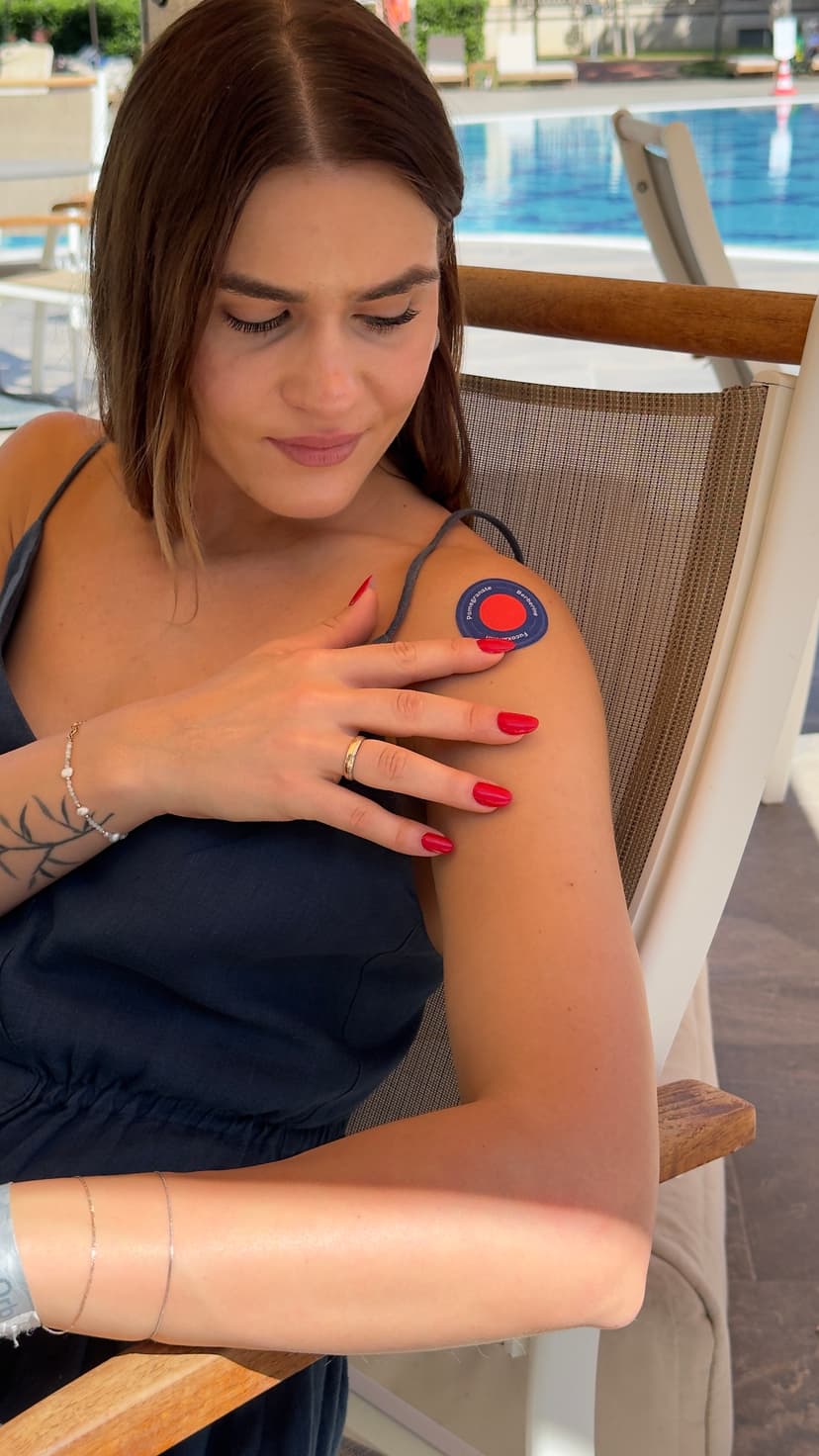
The patch is applied to a hair-free area of skin and worn for 8 hours. The transdermal format bypasses the digestive system, delivering ingredients directly through the skin.

Pros
- Bypasses the poor (<1%) oral bioavailability of berberine via the skin
- Avoids the GI upset common with high oral berberine doses
- No injections, no prescription required
Cons
- No published human trials on berberine-patch weight-loss outcomes
- Absorption evidence for transdermal berberine is preliminary and from animal studies
- Berberine's own weight-loss effect is modest (~1 kg in meta-analyses)
Worth considering if…
- People who can't tolerate oral berberine's GI side effects
- Those wanting a non-injection, no-prescription option for metabolic support
- Buyers comfortable with a supplement whose delivery method is promising but not yet proven for weight-loss outcomes
Not the right fit if…
- Anyone expecting GLP-1-drug-level weight loss (10–20% of body weight)
- People who are pregnant or breastfeeding
- Anyone on medications with known berberine interactions, without doctor sign-off
The product up close
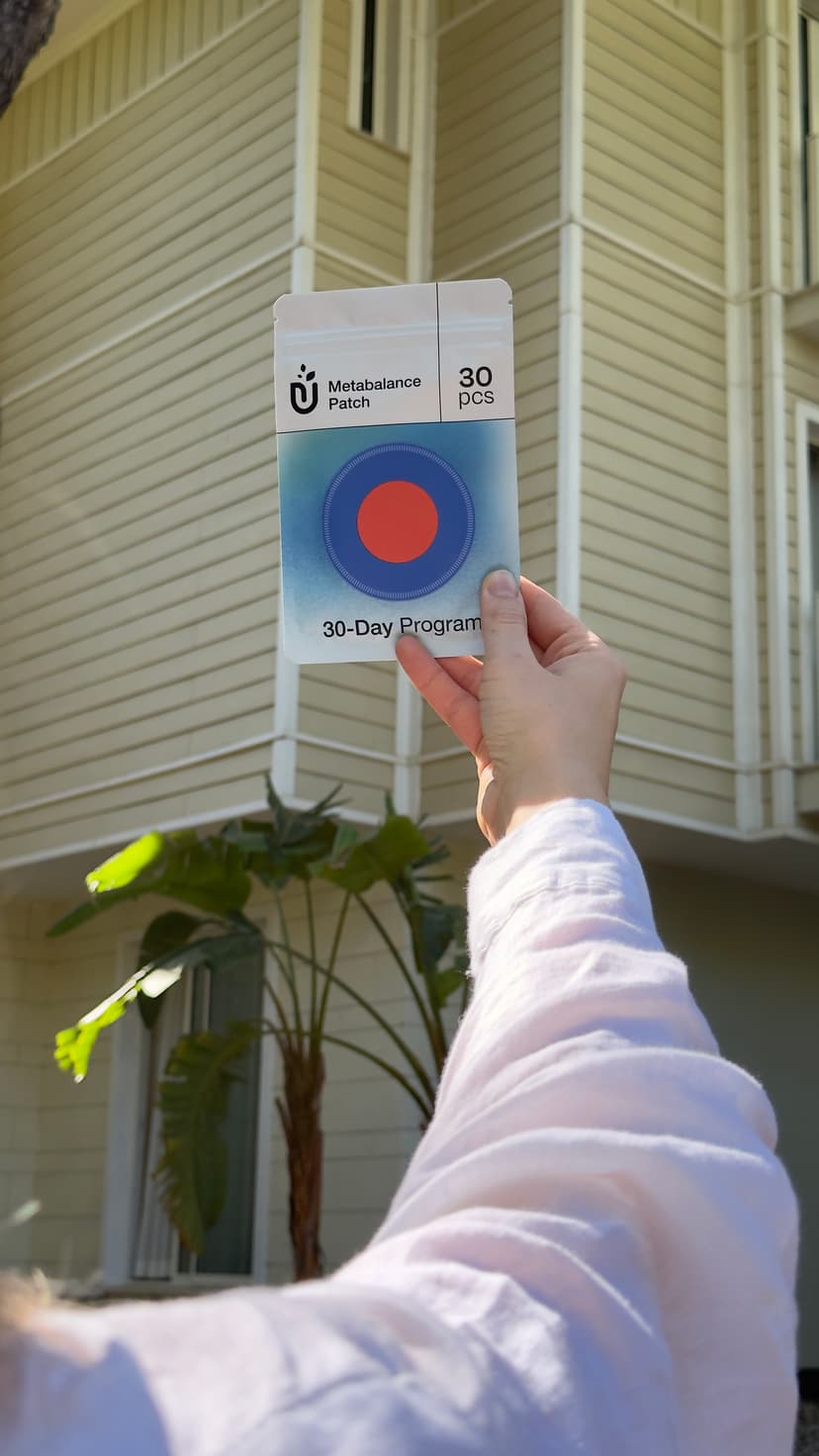
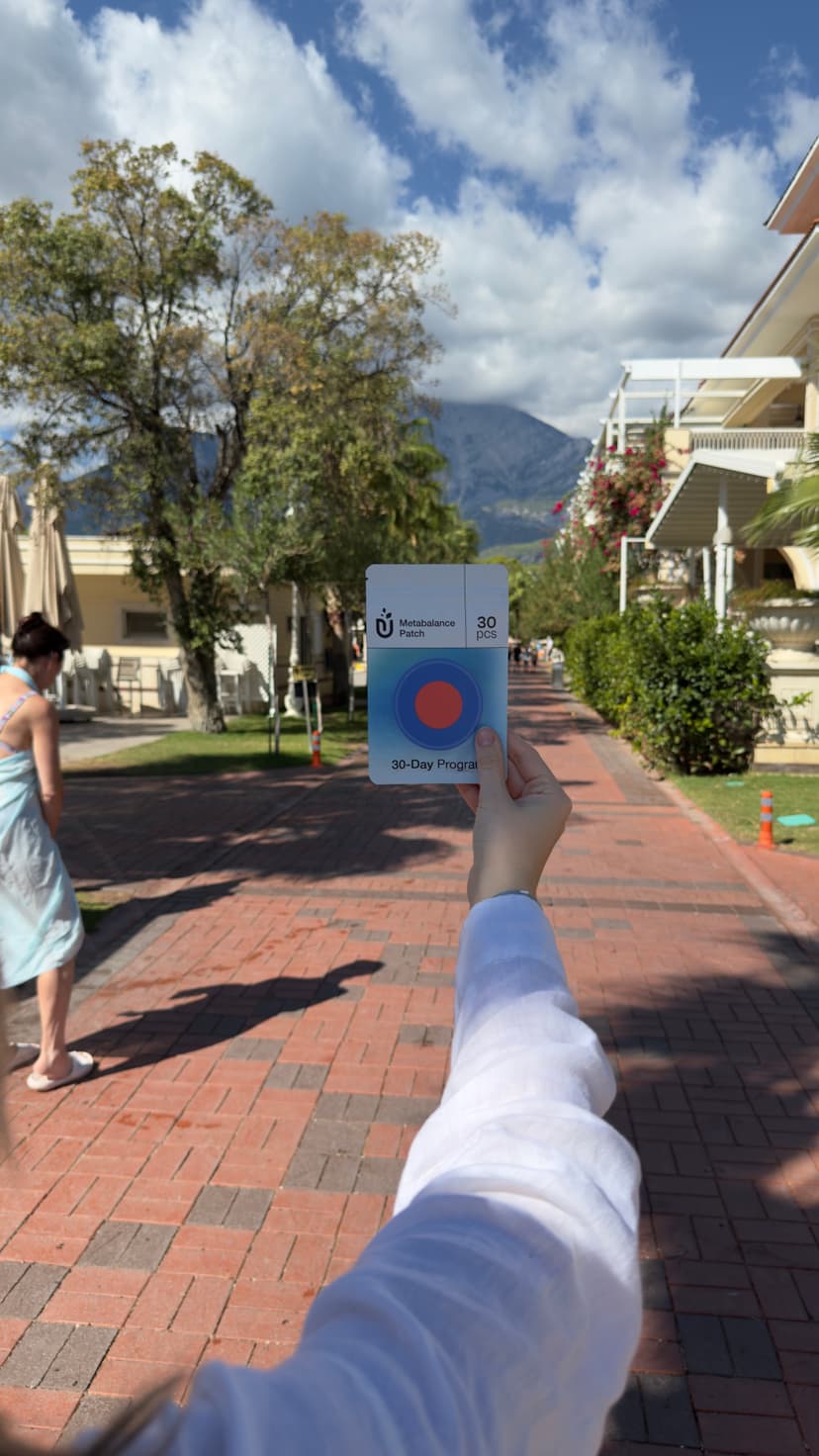
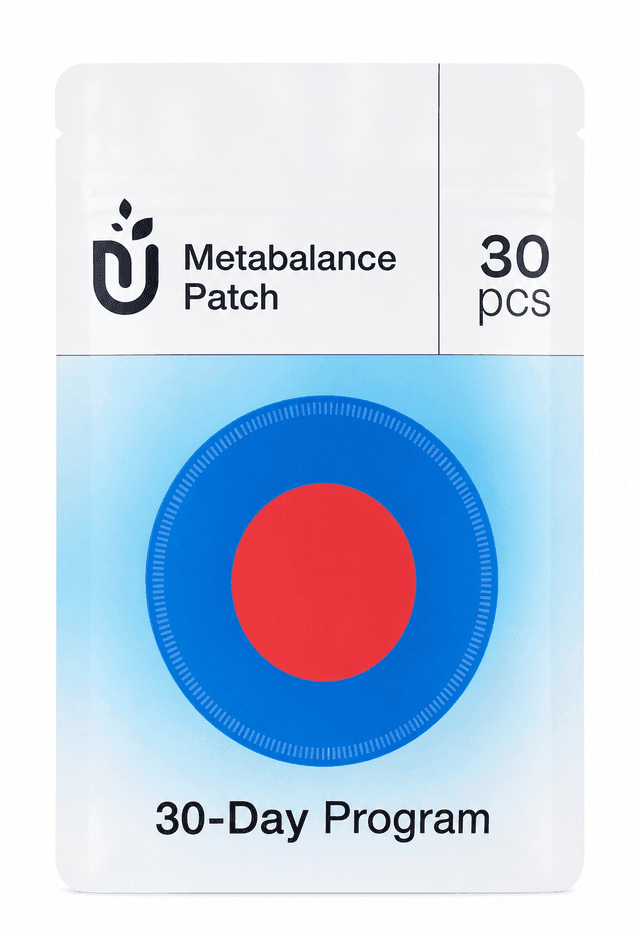
The Purisaki Berberine Patch comes in a 30-piece package covering a 30-day program. Each patch is individually sealed to maintain potency.
Where to buy
If, after weighing the evidence above, a non-prescription transdermal berberine option fits what you're looking for, you can check current pricing and the refund policy on the official product page. Consider talking to your doctor first, especially if you take other medications.
Medical disclaimer: Educational content, not medical advice. Berberine is a dietary supplement, not an FDA-approved medication. Results vary. Consult your doctor before use.